soft armors
clothes that stop bullets + more

When you think of what to wear in battle, you probably think of something like this:
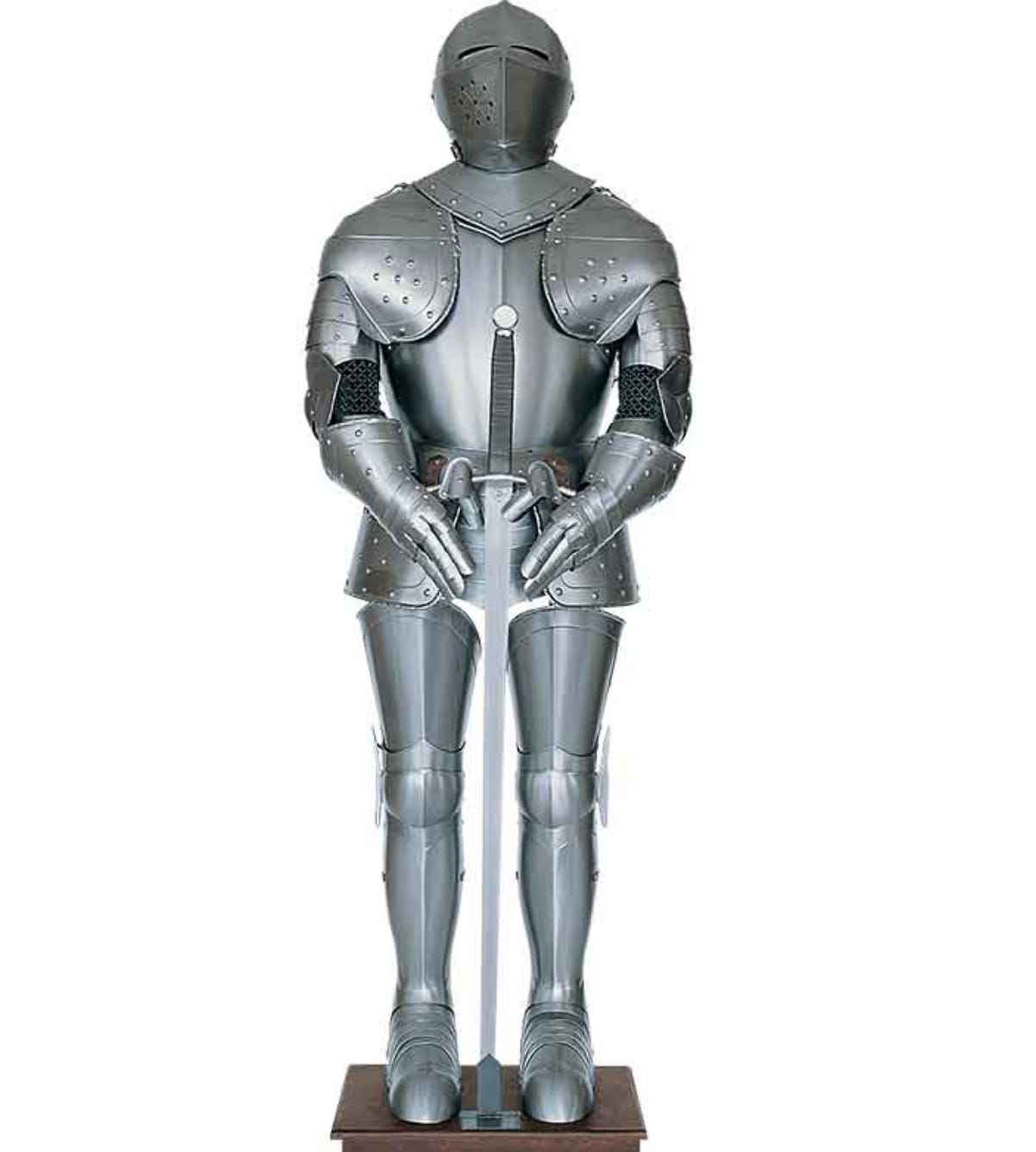
Something cold, hard, stiff, heavy, and cumbersome; protection at the cost of beauty, freedom of movement, and speed. But clothing for battle goes far beyond these narrow expectations; in form, material, flexibility, and aesthetic value. For one, well-made knight’s armor had much more flexibility than we think.
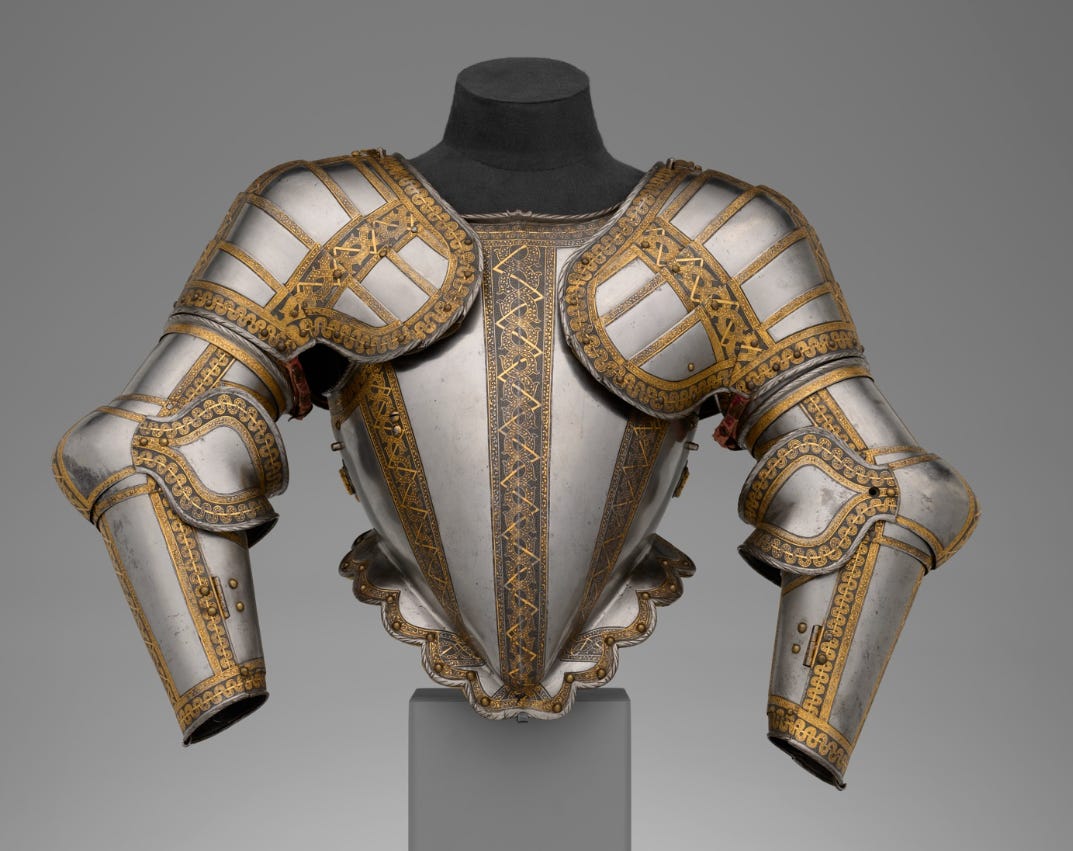
My favorite room in the Art Institute of Chicago is the Deering Gallery, a collection of around 700 pieces of medieval armor, artifact, and weaponry. Many plate armor pieces have intricate engravings and gold inlay. They are beautifully shaped and detailed. The armor in the collection is protective as well as beautiful.
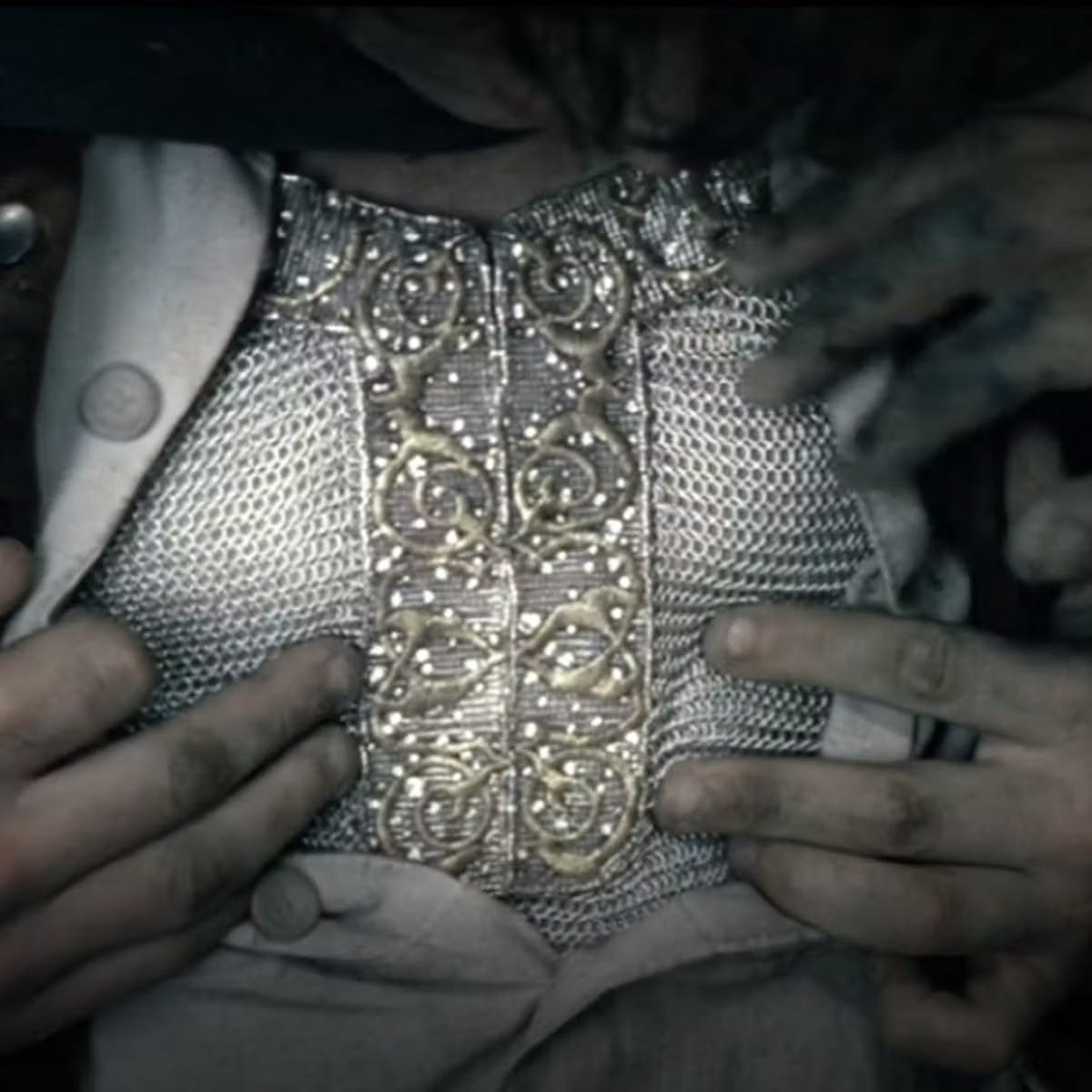
If you’re a Lord of the Rings fan, you might be familiar with mithril, a rare metal mined by dwarves in Moria that is both incredibly strong and light. Frodo wears this mithril undershirt which protects him from certain death. Besides being incredibly strong it’s also so delicate and beautiful. Like look at that embroidery!
Okay so you’ve seen some armor that doesn’t look as rough and rugged as you imagined. But it all still looks like the cold, metal stuff right? What if I told you there was armor that looked like this?:
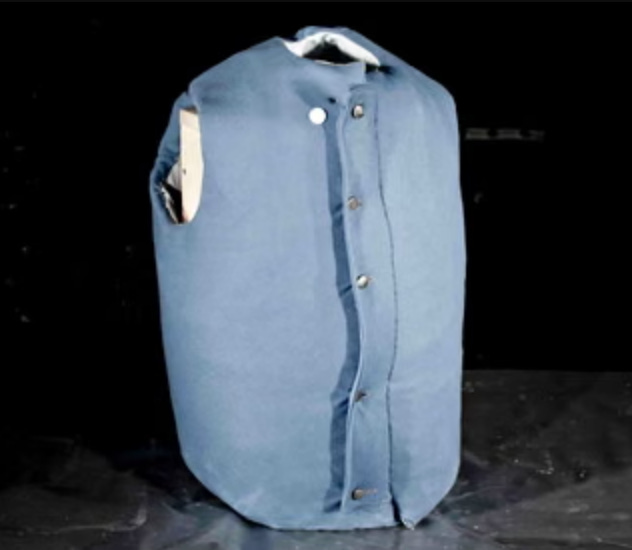
This is a replica of a bulletproof vest owned by Archduke Franz Ferdinand, famous for being shot (starting World War I and inspiring one of my favorite bands as a teen). Unfortunately Franz was not wearing this vest on June 28, 1914, or World War I might not have happened, as tests done with the gun used by the shooter on the replica vest indicate. Ferdinand’s vest was made of several layers of not metal, leather, or any other material you might think of as tough but rather about 1 cm thick silk. This particular vest was created by a Polish priest named Casimir Zeglen.
Zeglen wasn’t the first to understand silk’s remarkable capabilities in warfare. In Silk: A History in Three Metamorphoses, Prasad tells us about silk stopping bullets some 30 years earlier, in a Wild West town befittingly called “Tombstone” (because these guys could not stop shooting each other). Enter George Emory Longfellow, a doctor who moved to an apartment above the infamous Crystal Palace Saloon (which you can still visit today, it’s a popular tourist attraction in Arizona). People were always shooting each other nearby I guess, because Dr. Longfellow was regularly performing surgery on bullet wounds. Overtime he became known as “the gunfighters’ surgeon.”
In an 1887 medicine journal, Dr. Longfellow published a paper detailing his observations around how clothing, particularly silk clothing affected the intensity of the wounds suffered. Patients who were wearing silk clothing at the time that they were shot fared remarkably better than their companions. One patient had multiple gunshot wounds but did not bleed. The bullet, instead of ripping through his silk clothes, pushed the silk into the hole it created, plugging the wound. In another case, Longfellow mentions a man who was shot several times. Bullets penetrated thick leather clothing and a hat with a silver-lined band, but not through the silk handkerchief tied around his neck, which caught the bullets instead.

Some sources argue that similarly, the Mongols wore silk shirts underneath their animal hide armors because the silk would catch arrows, making it easier to pull arrows out of wounds. (Arrows were often barbed so they would be difficult and extremely painful to dislodge).
Today we are researching the possibilities afforded by spider silk, silk made from the filaments excreted by spiders. Apparently, spiders can secrete different types of webbing (up to 8!) that have different properties: like tensile strength, stickiness, thickness, etc. They make different types for different applications, like silk for the webs they live on vs the web for their egg sacs vs web for wrapping up prey.
Spider silk is being studied for military applications (like body armor) as well as medical applications (like “reconstructive and regenerative medicine and tissue engineering”).
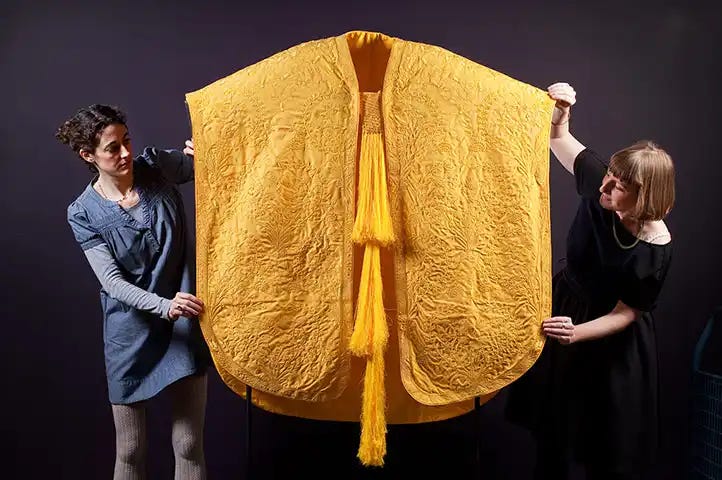
Silk contains anti-viral proteins that protect wounds from infection. Silk is made up of the fibers created by pupae as they prepare their enclosures for metamorphosis. They extrude a filament from their bodies that they wrap around themselves and bind with an adhesive secretion. The cocoon is a structure that is created for protection during the extremely vulnerable process of the pupae’s body breaking itself down and entirely reconstituting itself into a new form. It needs to be pretty tough, both mechanically and chemically. The cocoon is made of strong fibers that serve as a kind of external immune system for the creature inside.
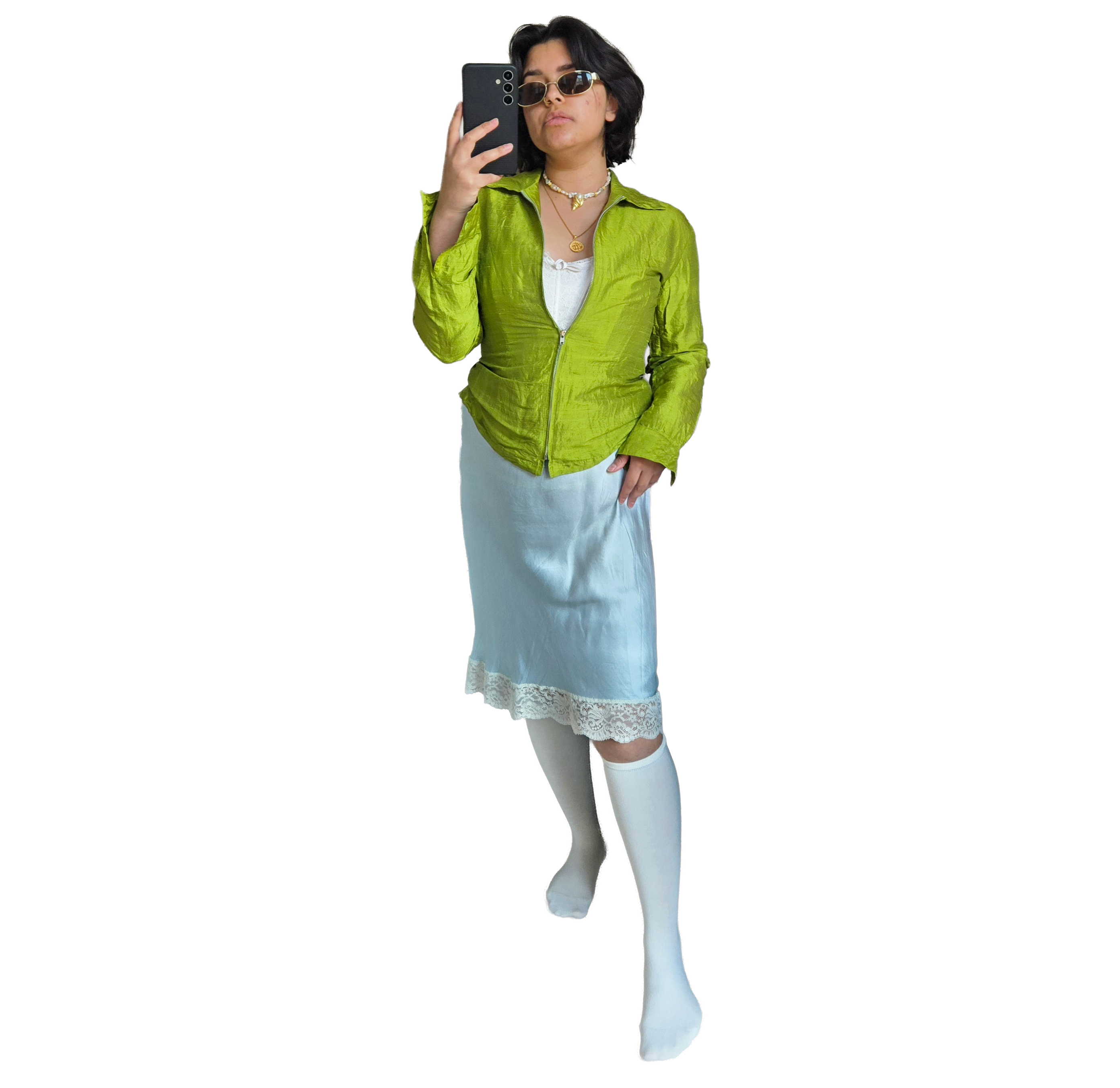
It does make me feel like my closet of silk clothes is doing double-duty as my everyday armor. There’s something incredibly poetic about how the moth pupae ensconces itself in silk as protection during its transformation. As someone in a moment of transition in my own life, I’m doing the same thing in a way. I love the way silk feels on my skin: soft, smooth, breathable, special. I feel put-together and confident and strong, which makes me feel capable of traversing life’s challenges.
It’s poignant that soft and delicate silk can outperform heavy and rugged materials when it comes to stopping a bullet or an arrow: a reminder that our ideas around strength are often not reflections of reality. Softness often triumphs over rigidity.
I’m ready for battle!