

shoes shoes shoes
toronto dispatch part 2: Bata Shoe Museum

One of the highlights of my Toronto trip was going to the Bata Shoe Museum, which I didn’t know about until a few days before I arrived. I didn’t feel very compelled to go until I saw the excellent reviews online. It was genuinely amazing and deserves a post of its own!
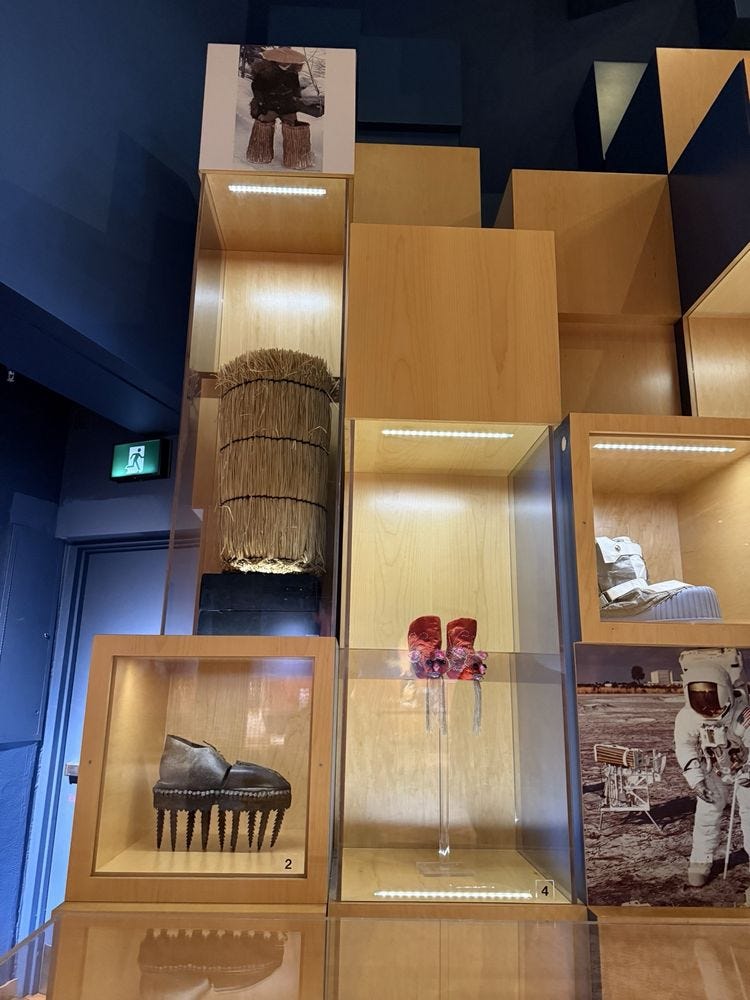
As an architect, I really loved how thoughtfully the building and exhibition spaces were designed. Because the focus of the museum is on shoes, many elements were presented at foot height, from display cases built into the sides of the stairs to interactive design elements where display drawers pulled out from under benches. More than other museums I’ve been to there was a lot of change in the height of how things were displayed. Some things you experienced by looking up, some by looking forward, and some by looking down.
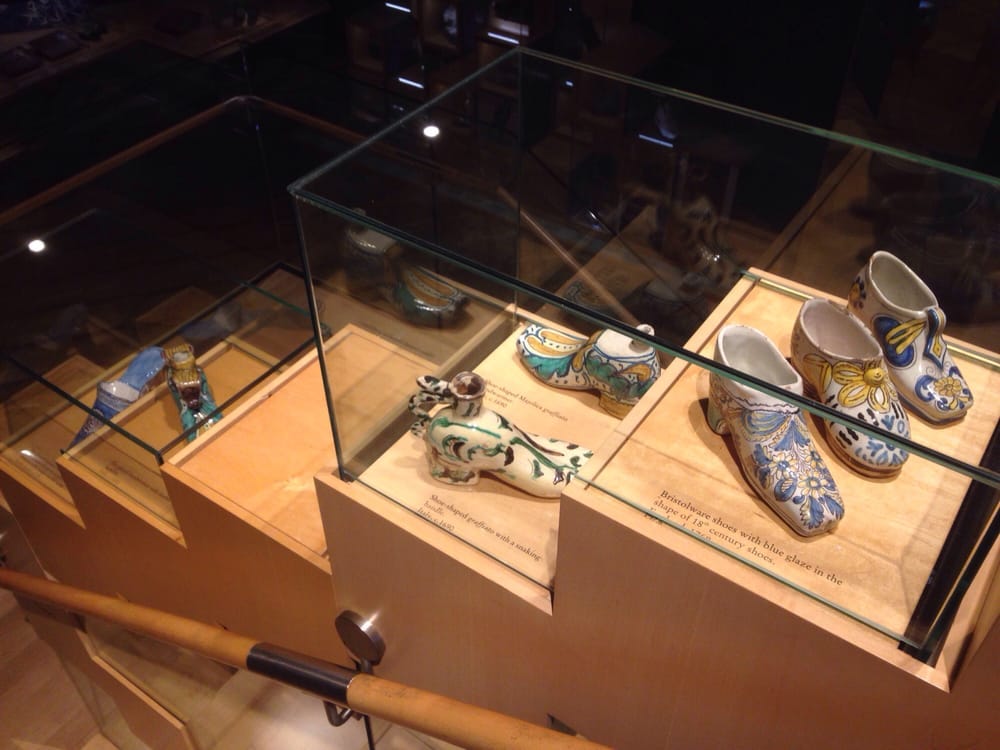
A really cool element of the museum is the opportunity to try on historic (replicas?) of shoes. As a germaphobe the idea of wearing shoes a million other people have worn does sound horrifying but also the opportunity to have a really cool experience drives much of my life, so those are my two inner wolves… No internal fight between the two wolves inside me however, because the shoe try-on experience was not available, presumably they were doing their seasonal cleanings of the shoes.
Despite not having the opportunity to put my dogs in some of these, I did have a great time looking at these absolutely stunning historic shoes.
The permanent collection is an overview of historic shoes across the world, which was so fascinating! There was so much to see so I’ll just share some interesting pairs and some of my personal favorites.
This is a replica of one of the oldest pairs of shoes in the world, preserved on the feat of the Otzi Man, or Ice Man, who lived around 3300 BCE.
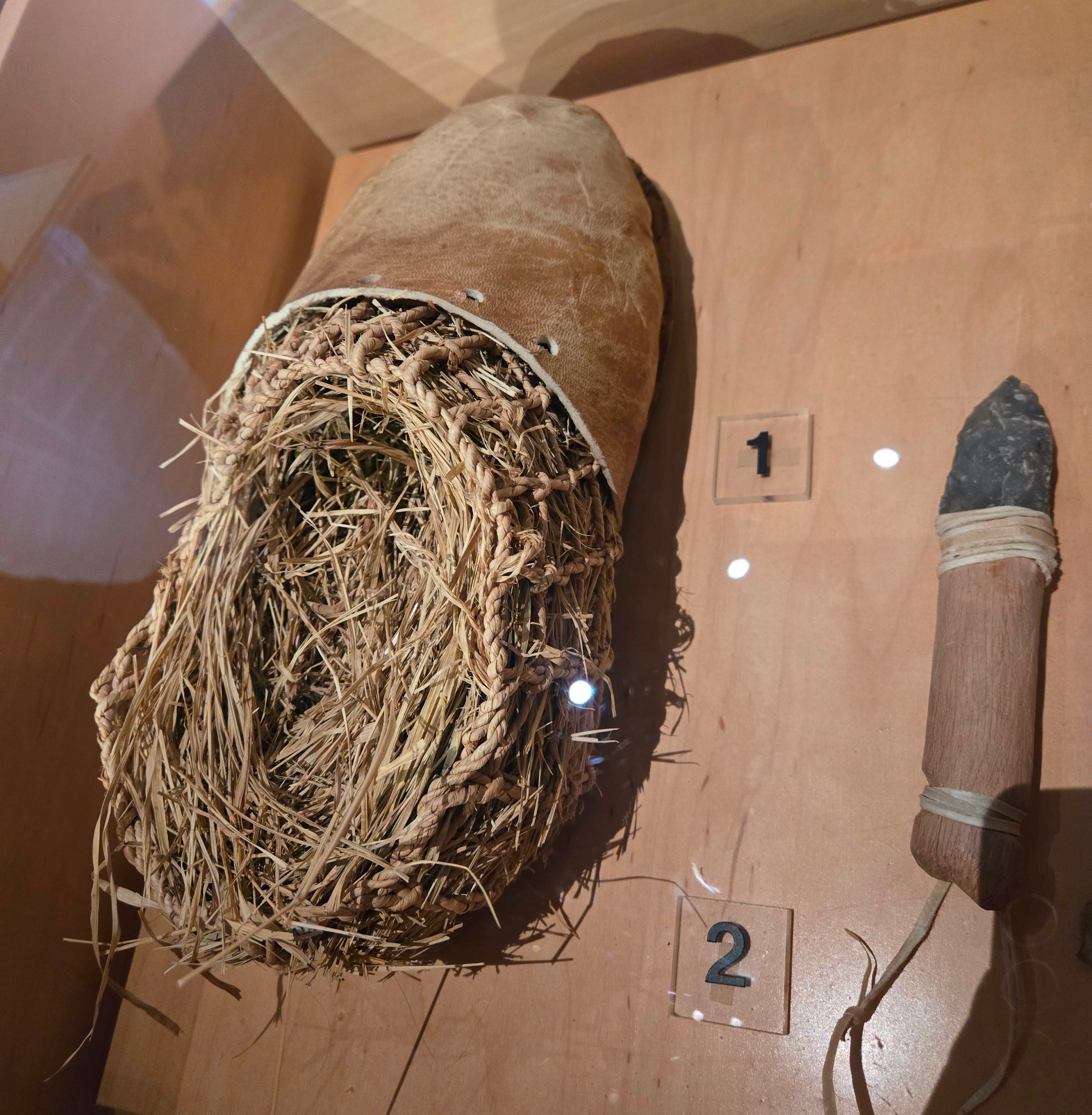
These early shoes are made of deerskin and dry grass. The middle layer is a woven mesh (if you look close you can see the braided rope that the mesh is made of). The outer layer is flat deerskin. The inner layer is dry grass that would likely have been continually replaced.
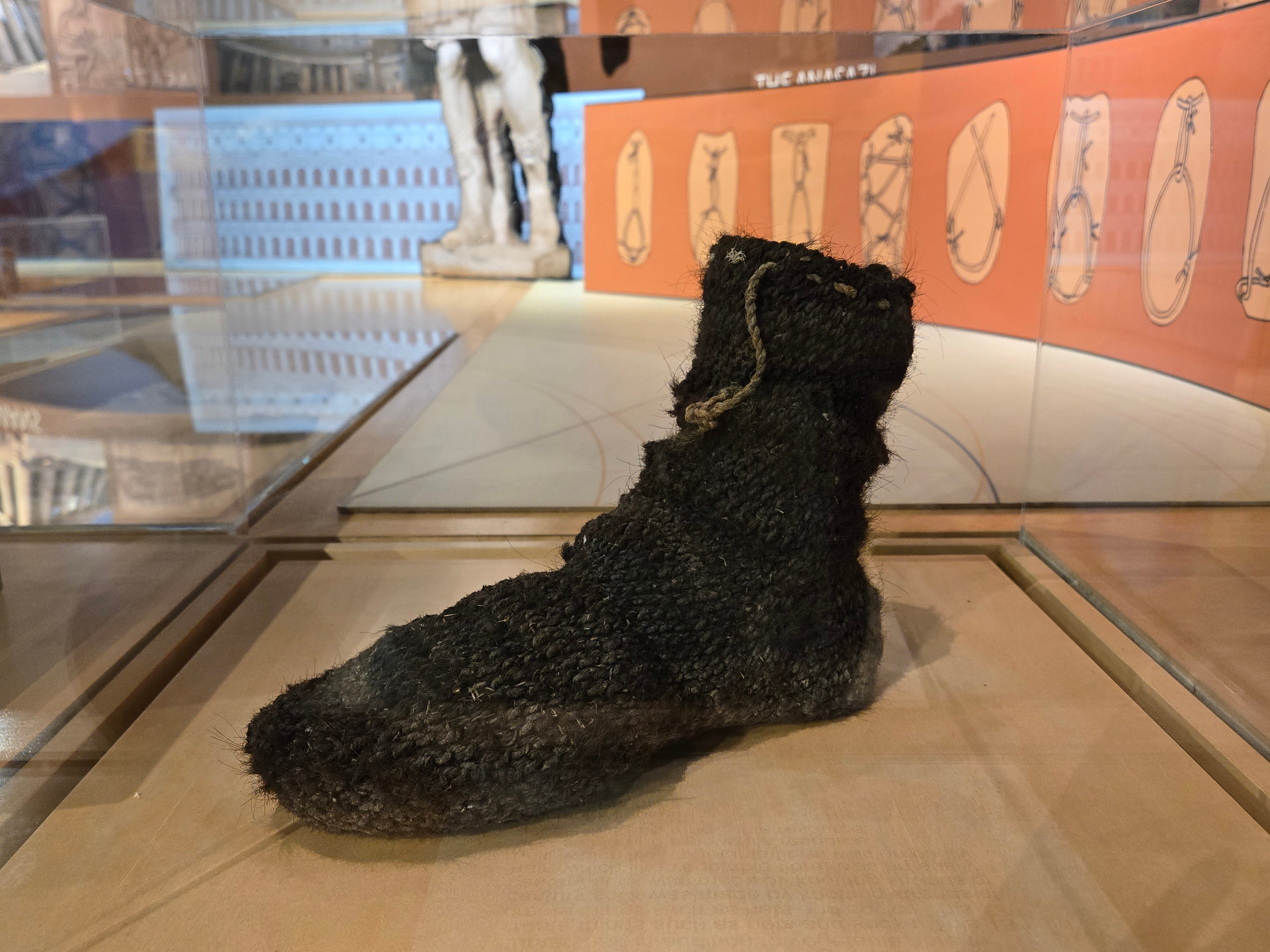
Naturally my ancestor’s shoes were incredible.
On the left are 19th century Indian slipper-style shoes made of silver. Apparently these were a traditional gift for brides? I haven’t heard of this but perhaps they come from a different region/are a custom lost to time. (Can you image how expensive a pair of shoes in SILVER would be????)


The right are also 19th century Indian and are jutti-style. Although not identified as such by the museum, I’m familiar enough to say these are zardozi, which is a style of three dimensional embroidery using metal. We are big fans of zardozi work in my family (on purses, saris, but I’d love some zardozi shoes!).
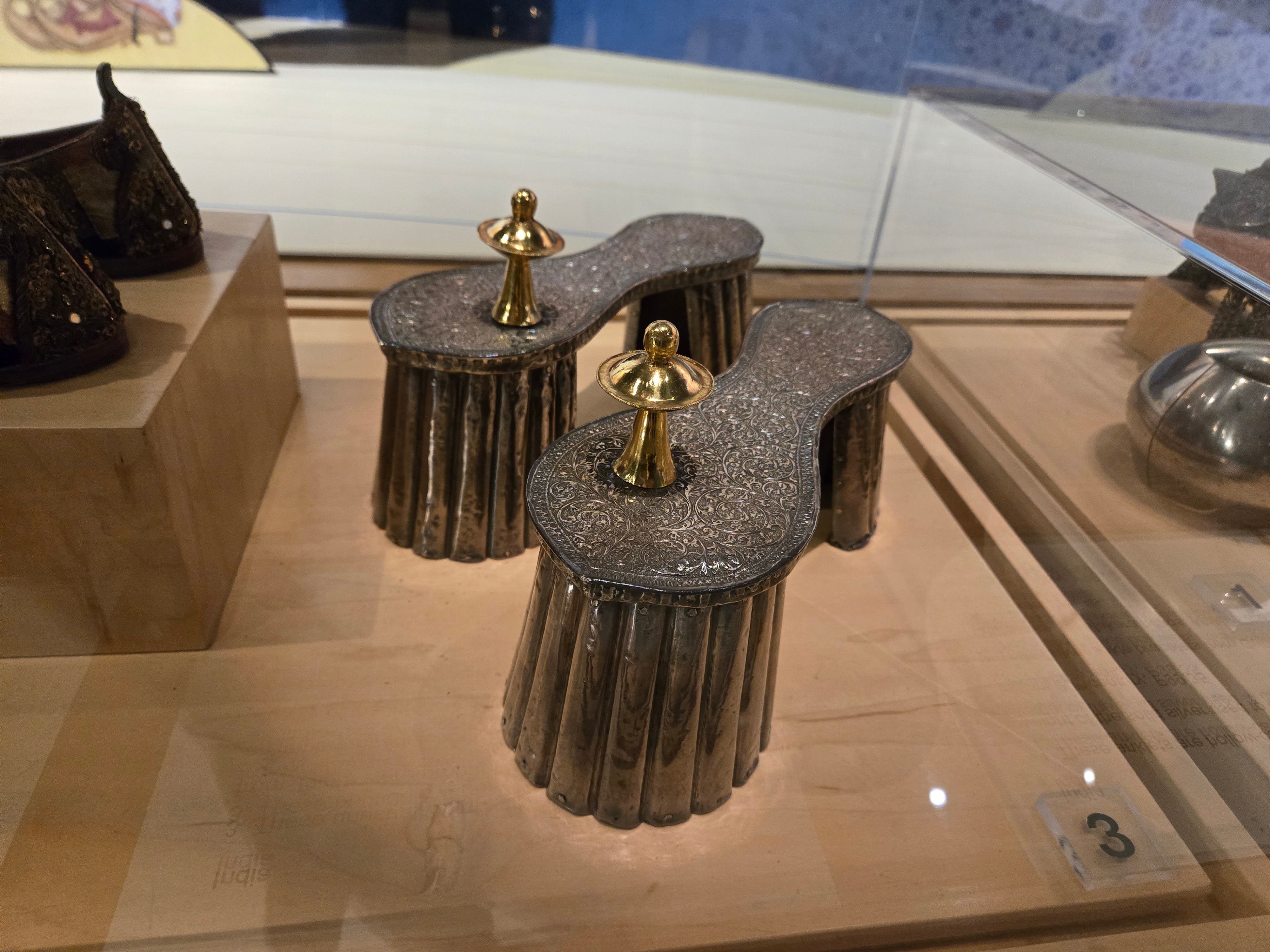
And these 18th century Indian baddie shoes! They are in the paduka style, which are defined by the knob you hold between your toes (kind of like a flip flop) and a raised area underneath the ball and the heel. They are similar in structure to the japanese raised wooden sandals known as geta. Paduka are not usually this tall. This was a very luxurious pair, as the plaque notes, likely owned by an aristocratic lady. I’ve seen people in India wear this style of shoe in wood/leather.
In other parts of the world I saw some of the tiniest and biggest shoes I’ve ever seen.
On the left are Chinese slippers made for bound feet.


On the right are armored boots for knights. I’m not sure what it was but every medieval European shoe they had in the historic collection were enormous, like the biggest shoes I’ve seen in my life. I became convinced that white people back in the day had the biggest feet of all time and only through increased immigration and marriage with other peoples have European feet have been reduced to a more manageable size for the shoe industry. Anyway, that’s neither here nor there.
Our next matchup is shoes you definitely don’t want to get stomped on with (or maybe you do…?)
On the left are 19th century clogs from Auvergne, France that were used by workers to shell chestnuts. I want to see these in action. I love the scary barbed prongs on the bottom.
I adore that these cool shoes were made for a peasant worker, for a specific function. In fact these shoes were in a section that was dedicated to shoes with special functions and included snowshoes, early ice skates, diver’s boots, and a very special pair of shoes you’ll have to wait until the end of this post to see.
There’s a lot of focus in fashion history on glitter and glamour, but I’m personally really fascinated by clothing as a technology that facilitates particular uses (and glitter and glamour have their own use as well) and the more niche, the better. These days I think we accommodate these functions more and more through electrical appliances. But in the past, they were more integrated with ourselves and our bodies.


Anyway speaking of glitter and glamour, on the right are Ottoman shoes called nalins made for wearing to the bathhouse! They kept your feet above the heated floor and thy are beautiful so you could still look dripped out even while you were naked and dripping wet. How else were rich Turkish women supposed to stunt on each other in the bathhouse?
Bring these guys back, I want to wear them to King Spa.
André Perugia
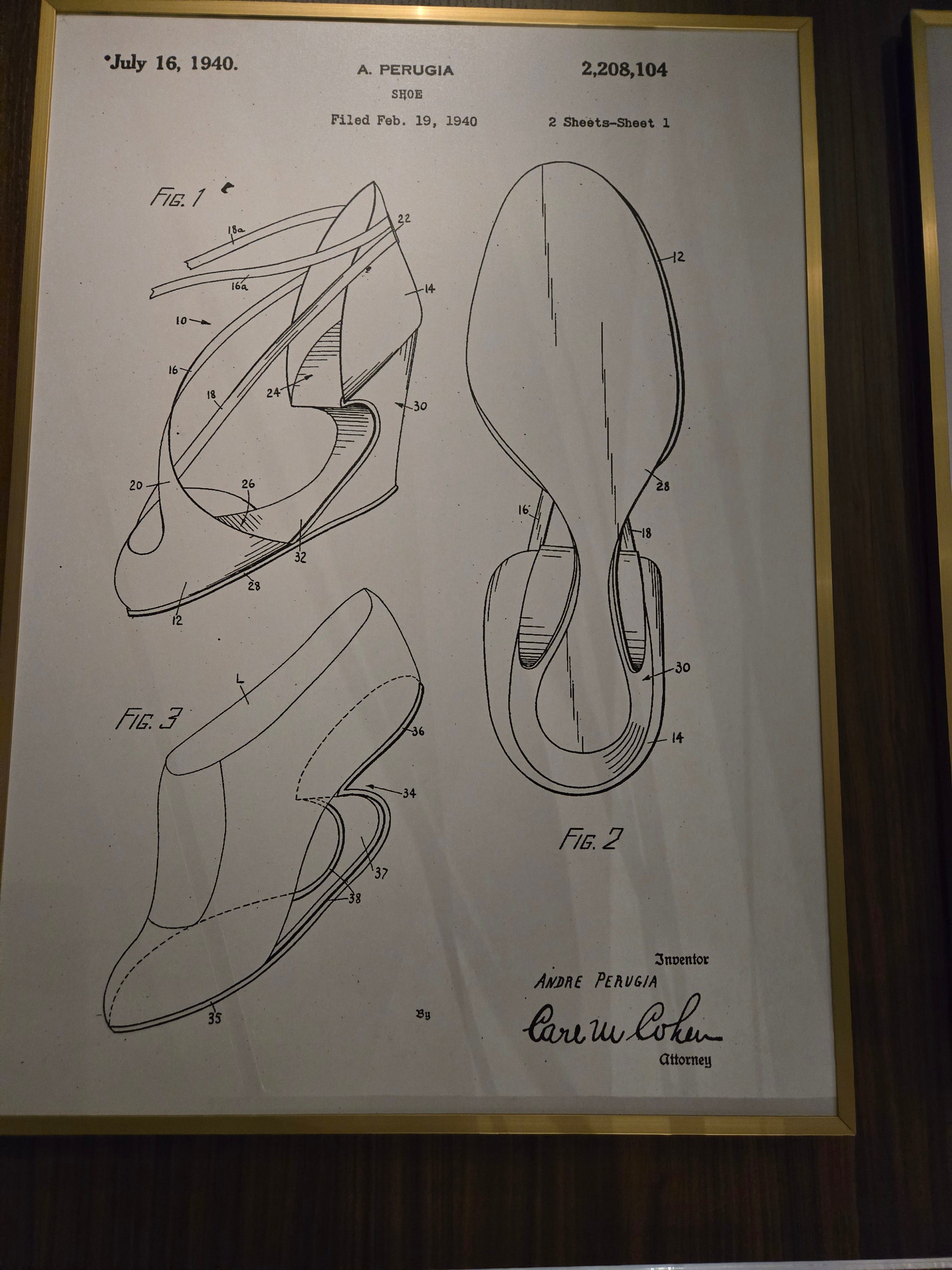
One of the temporary collections was focused on André Perugia, a famous Italiain-French master shoe designer of the early 20th century. Perugia worked with Elsa Schiaparelli and Paul Poiret, among others. He also designed shoes for celebrities, including Josephine Baker!
These were some of his earlier designs. Very chic. I love the playful tassles and fringe. I can feel the leather with my eyes, it looks so well-made.


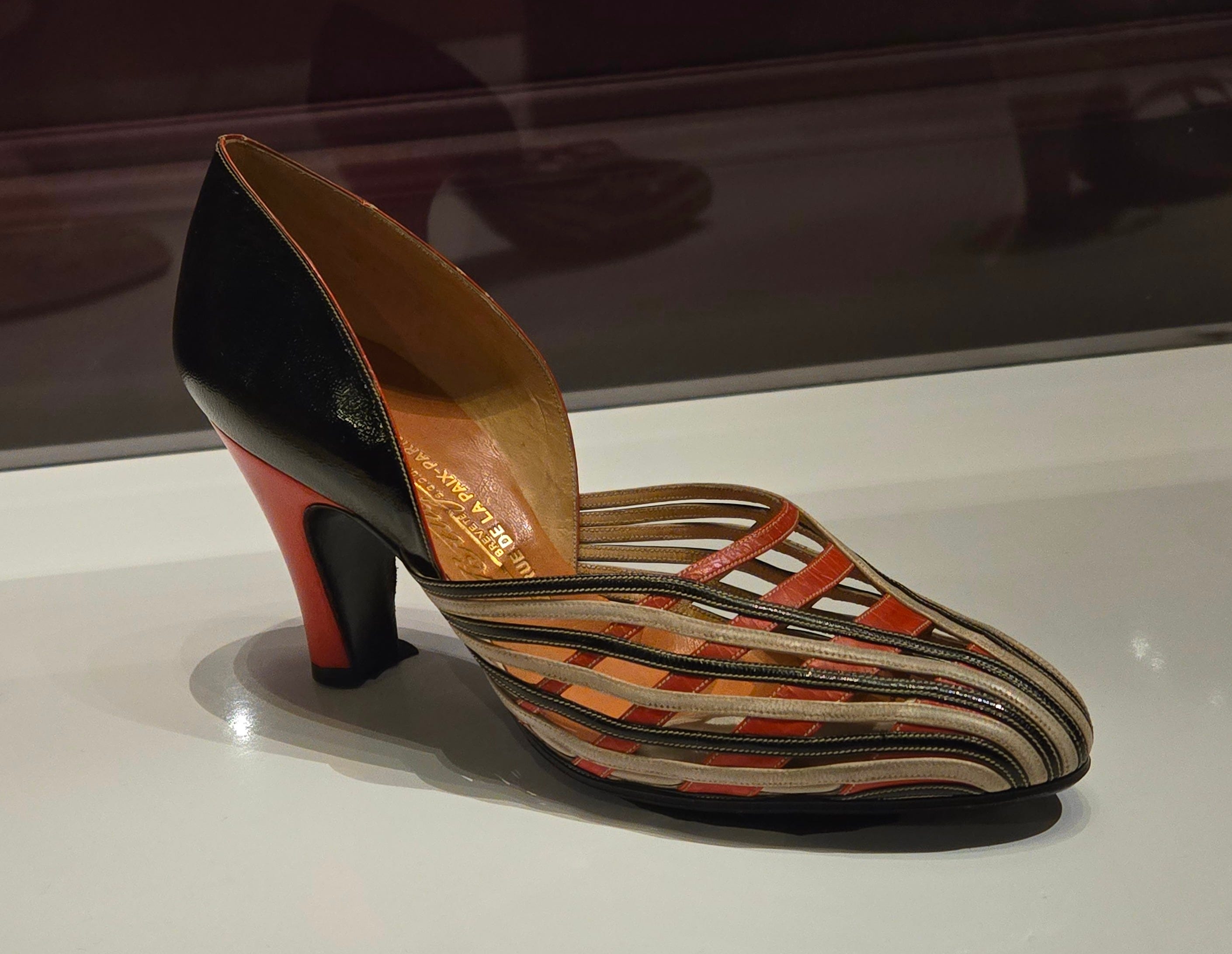
This one below is my all-time favorite of Perugia’s designs. The open mesh, the black/ivory/red color scheme, the lines! So gorgeous! A work of art.
Perugia was an innovator, making some of the earliest stilettos (which I learned from this exhibit were only possible because of the availability of steel - it’s so interesting that skyscrapers and stilettos were born around the same time and for the same reasons).
These two shoes were part of his series of explorations of shoes that played with structure by removing or reducing the bridge. I love how these shoes look completely different in style, like one is from the 1800s and the other from the year 3000, and yet by the same maker!


Cowboy Boot Exhibition
My favorites:


Definitely one of the coolest museums I’ve been to and a place I’d love to come back again and again to see their rotating exhibitions!
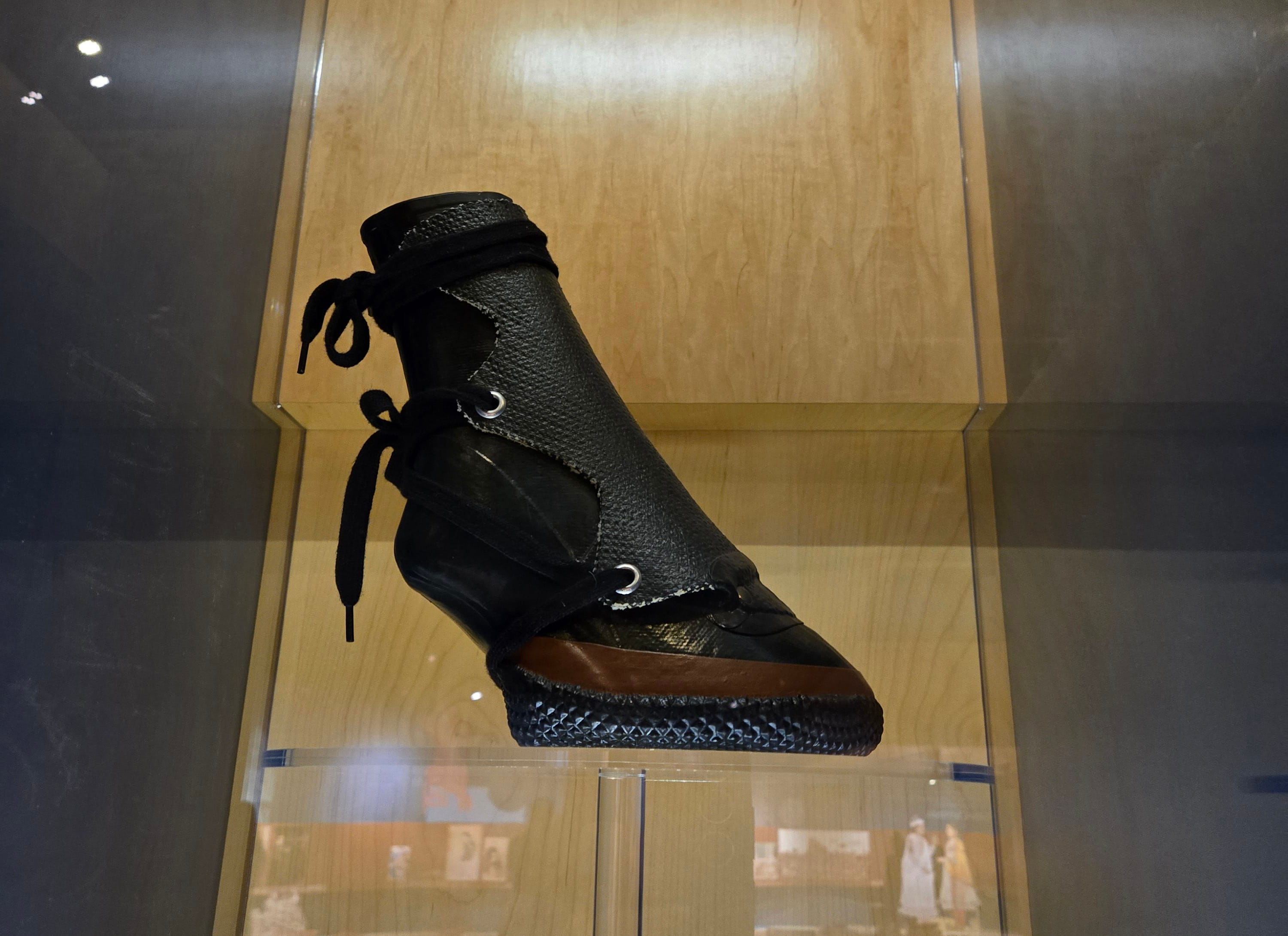
I will leave you with this amazing shoe, perhaps the only shoe, in the museum not made for human feet.
Behold, the cow shoe. I don’t know which diva this was for, but I am so obsessed.
Cute shoes for everyone!