

dispatch from toronto: thrift finds and historic textiles
vintage finds, the Textile Museum of Canada and reflections on land and clothing

A couple weeks ago I visited Toronto with my good friend for our friend’s MFA photography exhibition. I’ve been to Toronto before, but my last visit was 5-6 years ago (before my writing days and while life, COVID, or both found me alienated from myself and thus my style…dark days). Naturally, I wanted to see all the exciting fibers and history the city had to offer…and there is a lot!
Naturally, when I’m in a new city I try to hit up the thrift/vintage stores and see whether they have anything interesting. I love having pieces of clothing that remind me of places I’ve been. My closet is a catalogue of my life — holding the memories of what I’ve experienced in them. It is such a delight to me to look at garments and remember the places I’ve been and where I found them - deep in the back of a NYC thrift store, from a street vendor in Shanghai, or my favorite local vintage store.
I tried on this amazing mink vest and white wool skirt with godets at Good Market Thrift:


I was in love with the vest but it was a little big on me, but this skirt did come home with me. We love 100% wool and the silky fabric in the godets gave it such nice movement. The construction was so well-done and I’m looking forward to wearing it.
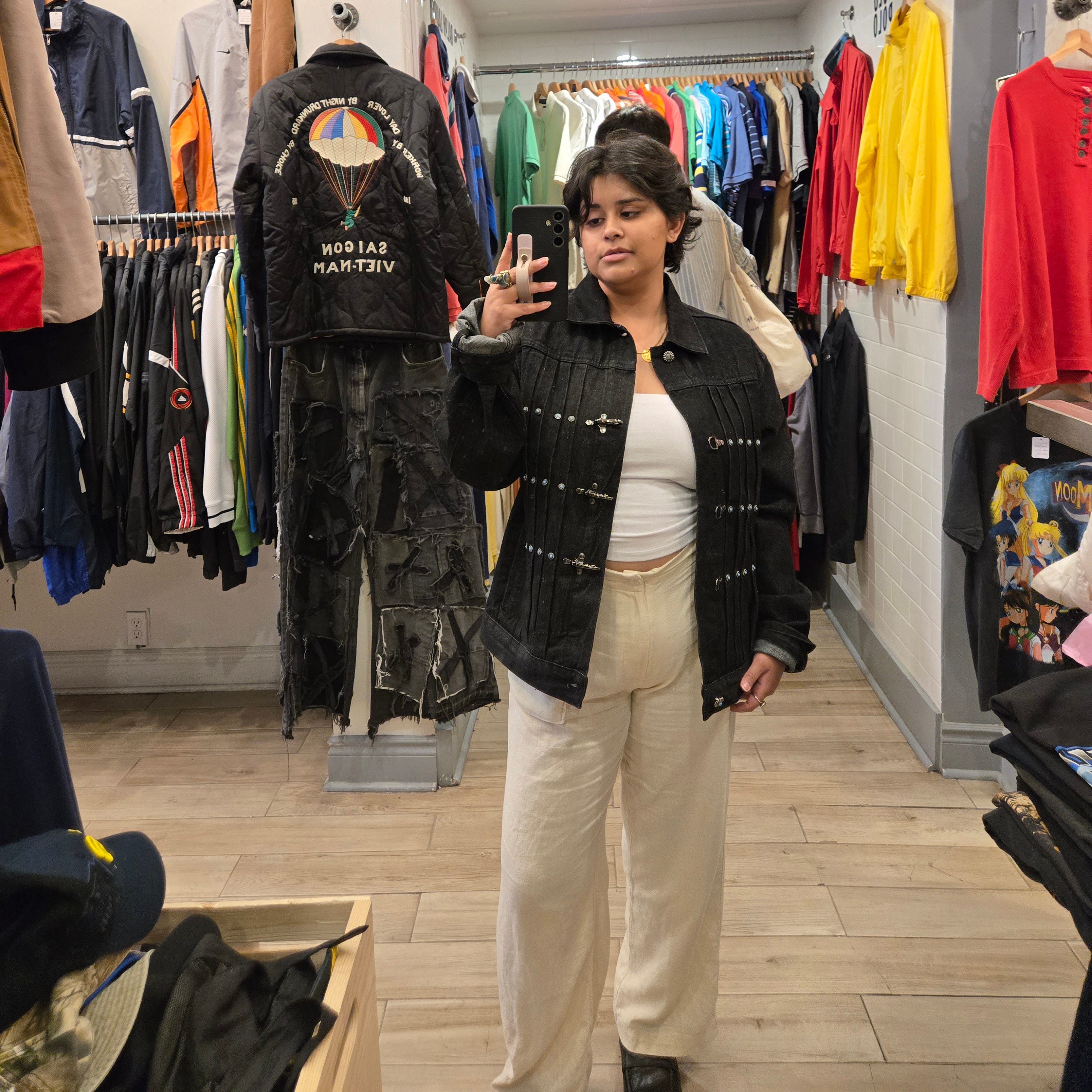
I also got this incredibly cool denim jacket is a reworked piece I found at No Spot Vintage in Toronto. I loved the knife pleats and the firemen’s clasp hardware. The turquoise buttons were also super cool. I might crop this to suit my proportions better.
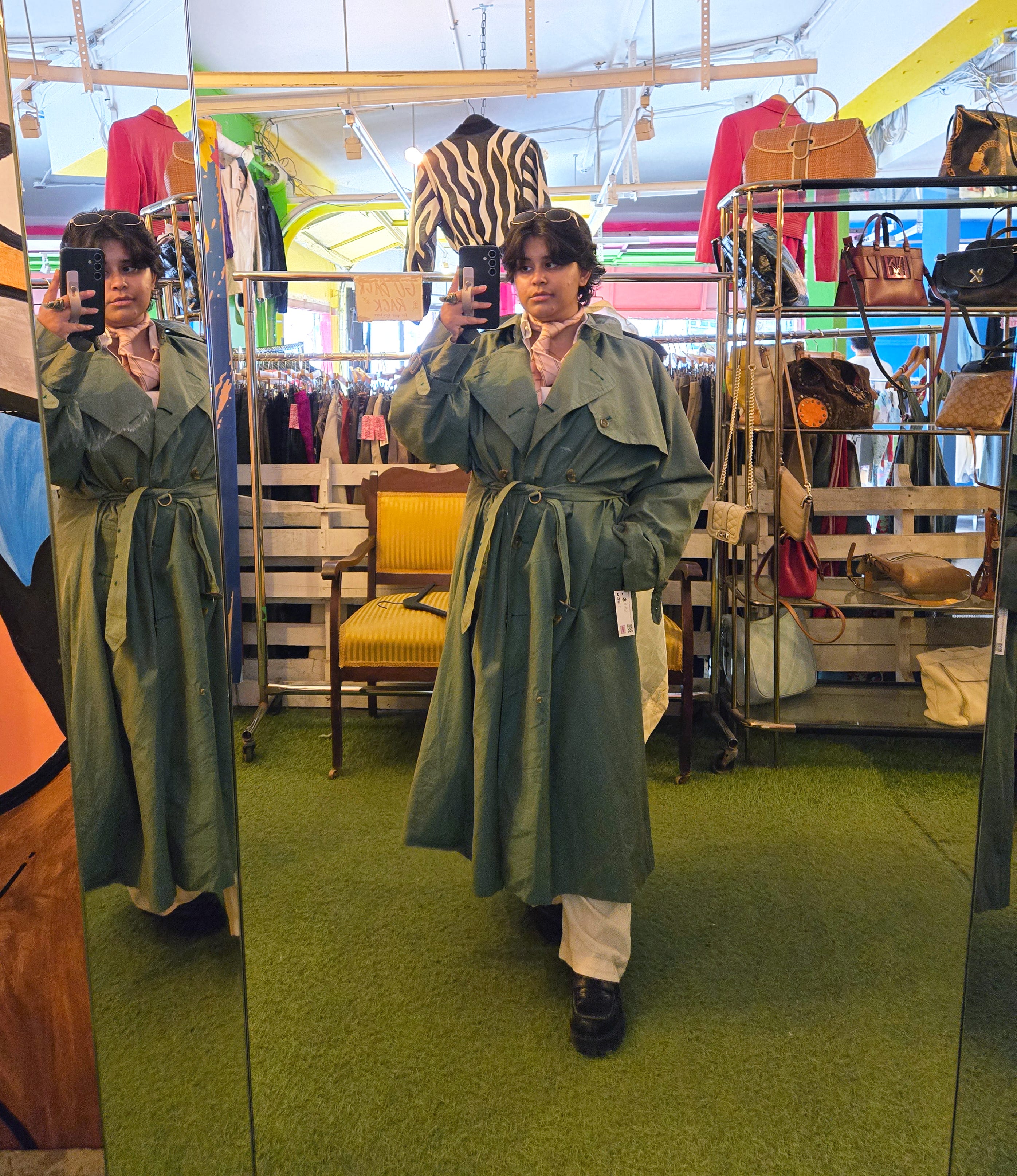
I tried on this amazing green Burberry trench at another thrift whose name escapes me at the moment. Literally so beautiful but it was two sizes too big and a price tag I couldn’t justify. I did feel absolutely fabulous in it though.
Okay now let’s talk about the cool stuff I saw!
Textile Museum of Canada
First up, the small but mighty, Textile Museum of Canada. Although textiles are an art form across cultures, museums for textiles are so rare, even in countries where textile manufacture is an incredibly significant sector, like India. Learning about the existence of this museum was so exciting to me.


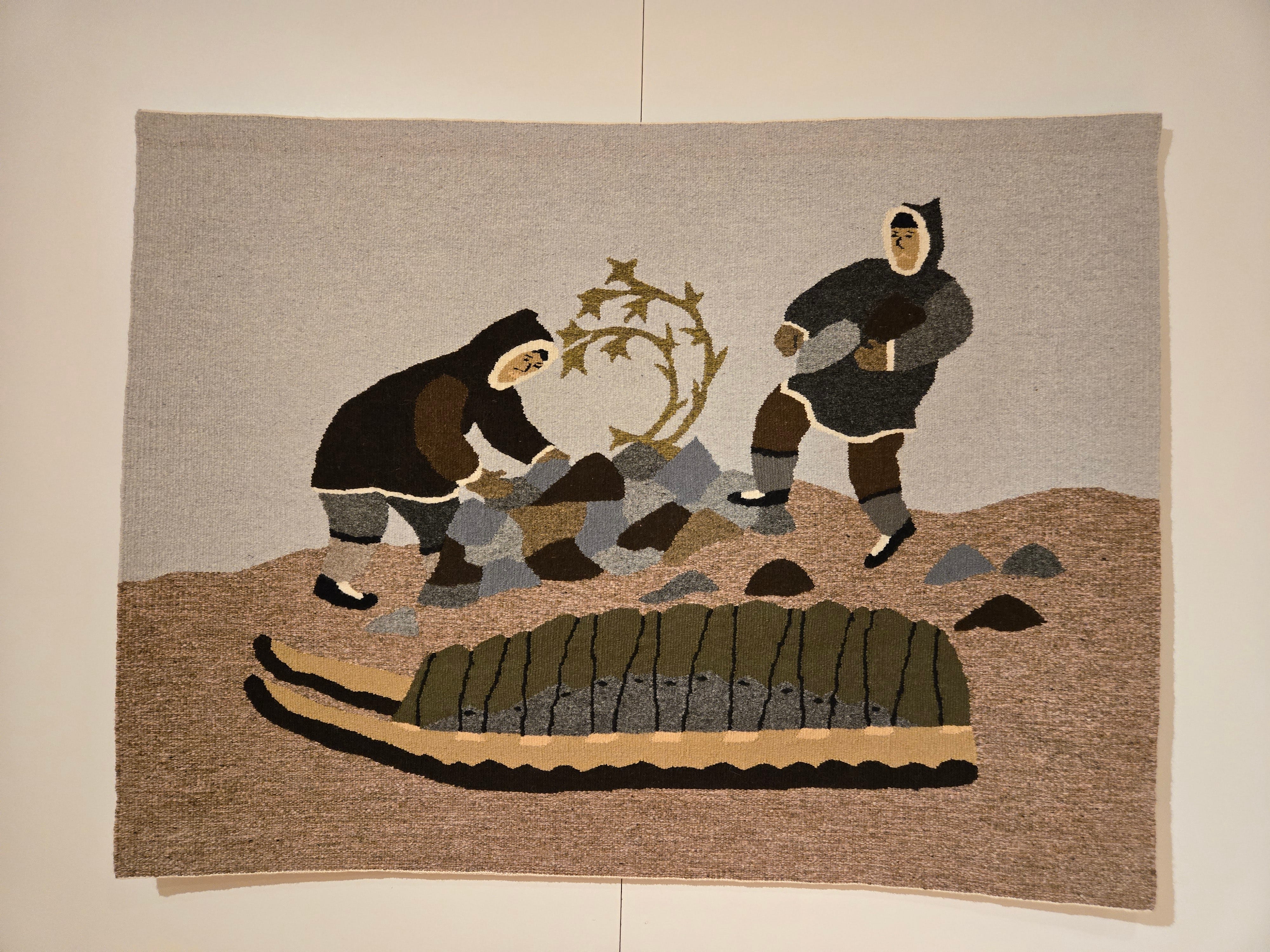
When we came in, we saw an in-progress beading workshop for repurposing beads from old and damaged textiles, led by Vanessa Dion Fletcher, Lunáapew and Potawatomi artist, which Vanessa and staff generously allowed us to sit in on. The workshop is part of a series called “Second Life: Sustainable Textile Workshops” held at the museum that focuses on reusing/repurposing textile materials.
Always in Fashion Exhibition
The exhibition on view at the Textile Museum focused on contemporary Indigenous designers. The works varied widely - some focused on using materials of significance, like sweetgrass or deerhide, others were works that made political statements about the oppression of Indigenous people in Canada or Indigenous solidarity with Black communities, other works reclaimed Indigenous textiles that had been appropriated into Canadian national identity, and some of them were just really cool garments that showed the incredible craft and exploration of the Indigenous designers that made them.


I loved these metalwork details, The dress on the left used folded metal coins of some kind hung from wrapped stones. The contrast of the metal’s shine and bright color against the wool’s soft, textured matte was so beautiful and satisfying. I love the way the metal makes a regular pattern and the gold beads in between add another datum grid.
On the right was a dress with a tulle skirt and this incredible engraved copper corset. I’ve been learning metalworking myself so seeing metal detailing in clothes is something I’m super interested right now.
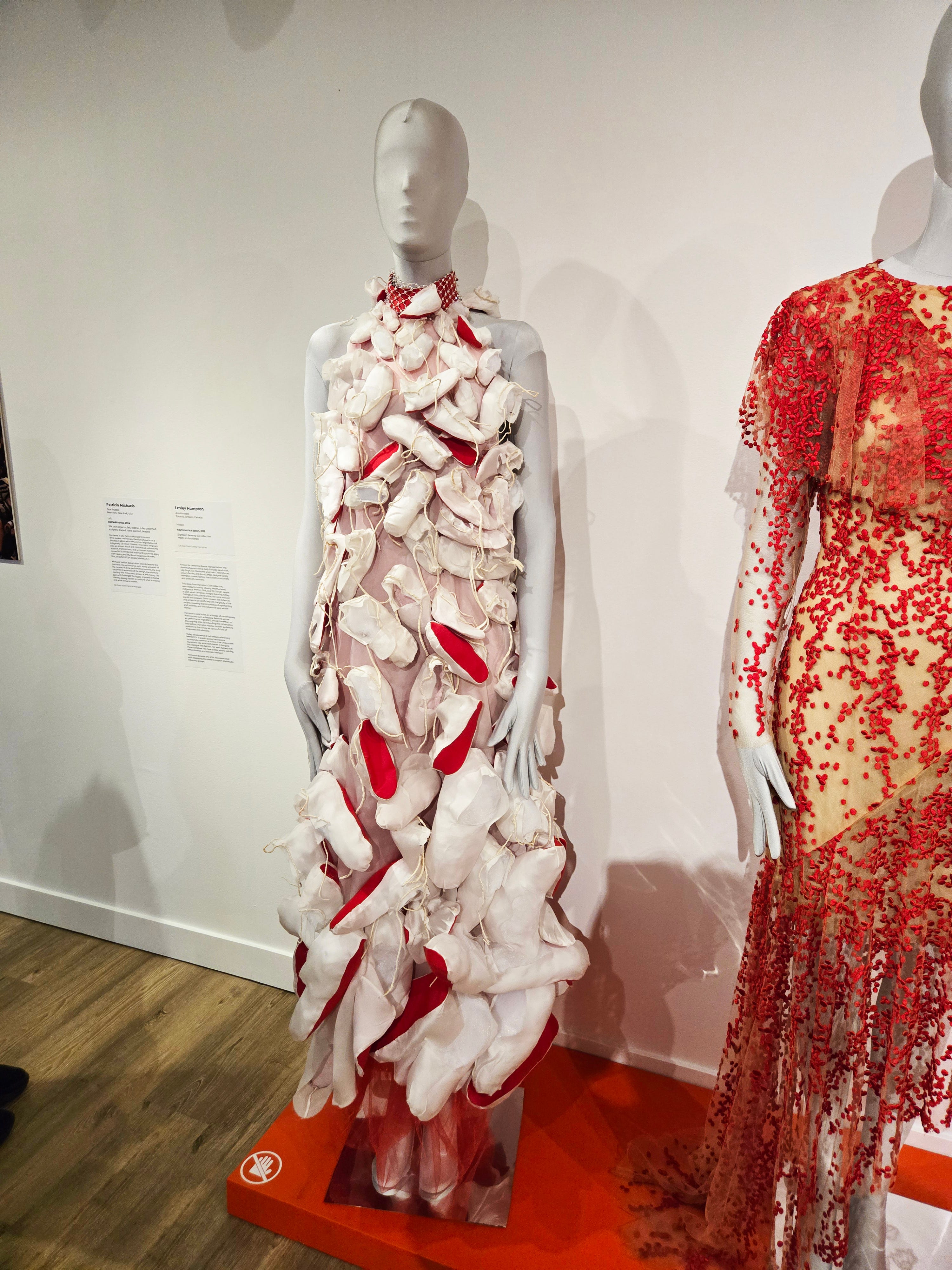
Some of the works were calling attention to MMIW (Missing and Murdered Indigenous Women). Indigenous women are four times as likely to experience physical, sexual, and homicidal violence than the average woman. You can read more about that here. This dress made of moccasin-like shapes was made by Patricia Michaels.
This garment was one of my favorites at the exhibition. By designer Randi Nelson:
“My work uplifts Indigenous materials of wealth, valued for their scarcity and used for generations.
Harvested from the land and transformed through cultural practices, they reflect beauty and the survival of our people. I honour the knowledge behind them and carry it forward in contemporary ways.”
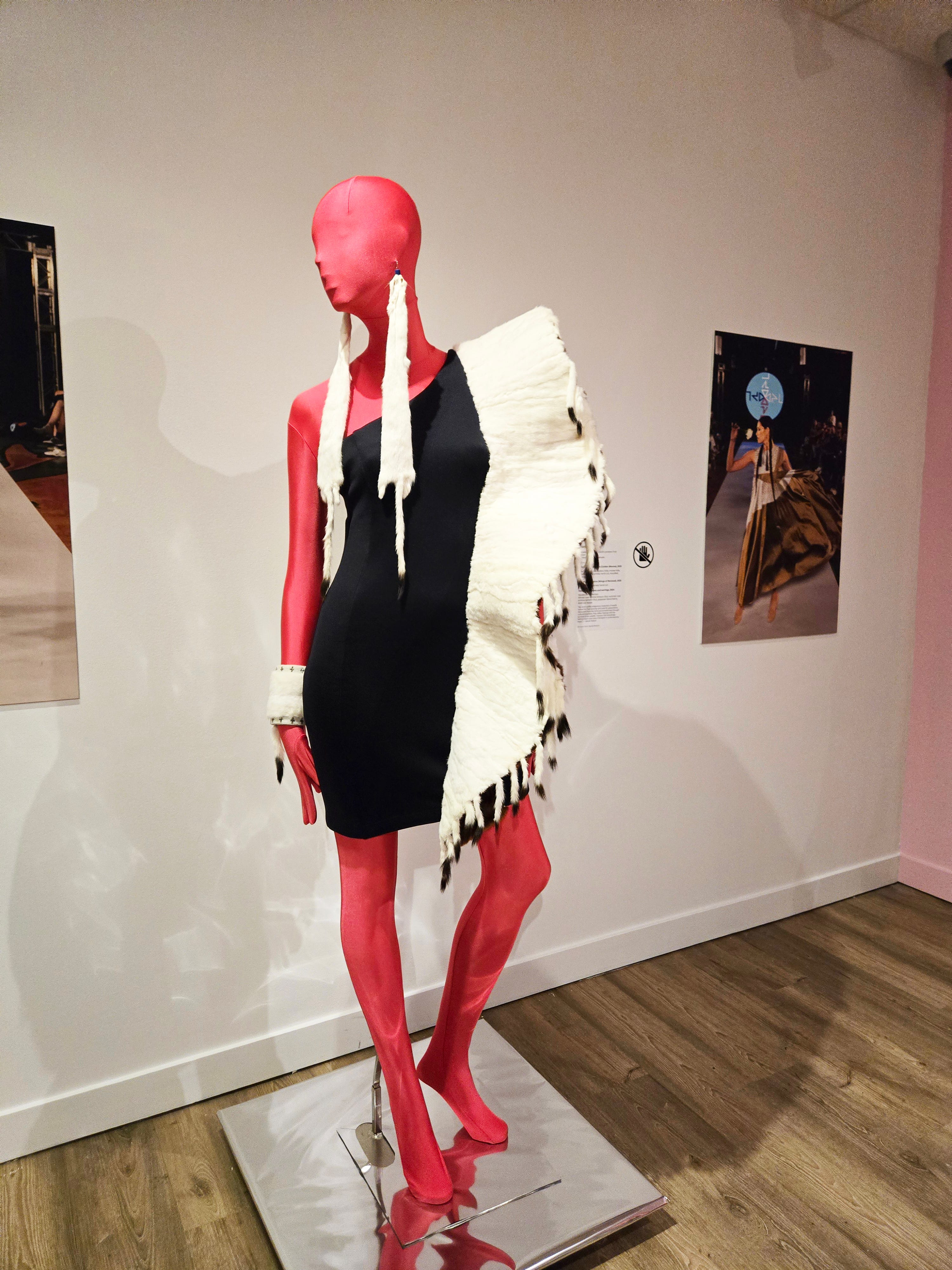
The earrings, bracelet and the white fabric on the dress are made of winter and summer ermine fur.
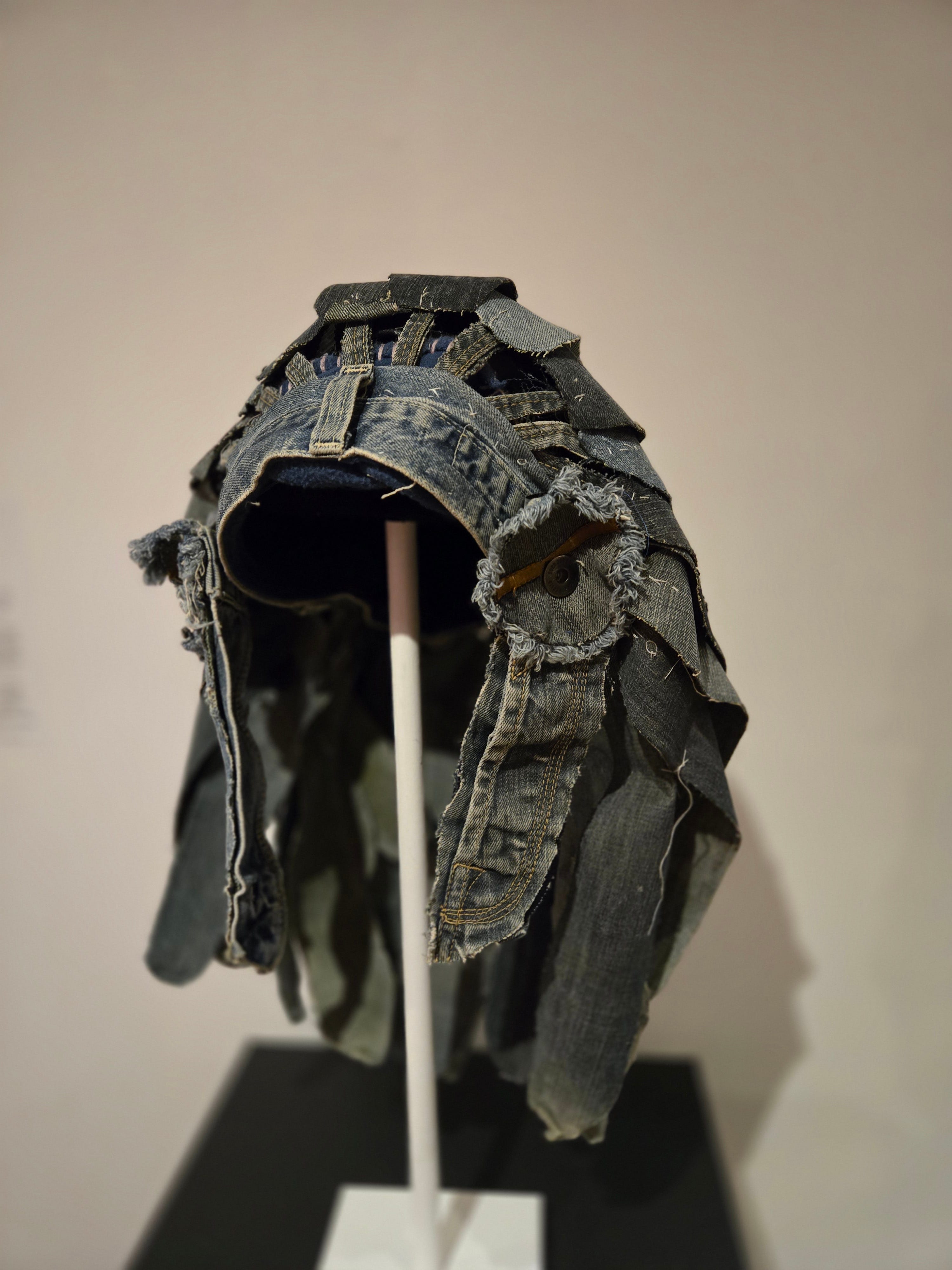
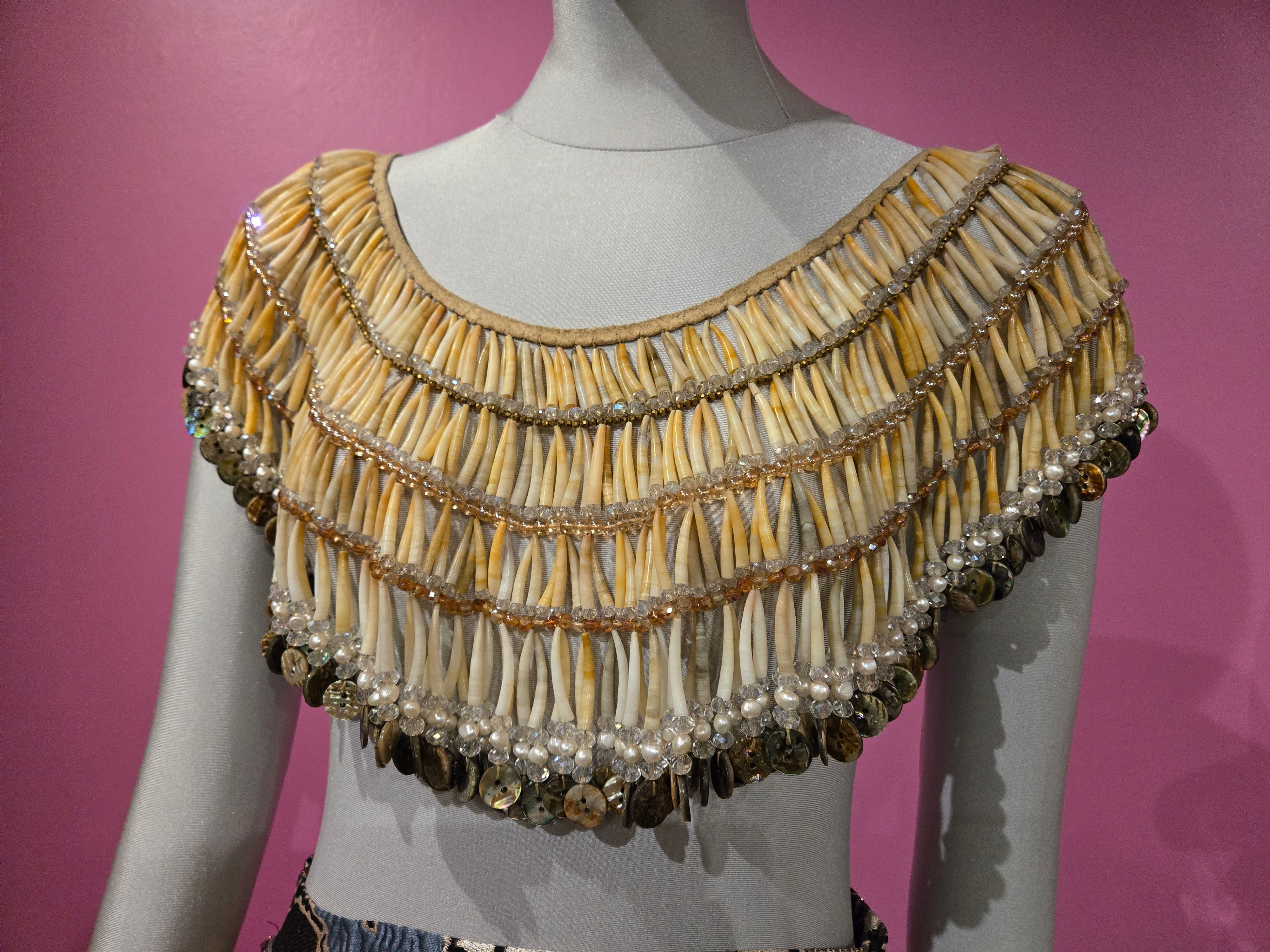
So much of cultural history and heritage is preserved in textile and textile design continues to be a critical way we engage with land. The exhibition put into words something I’ve been thinking about for a long time:
“Indigenous designers hold a unique position grounded in their direct relationship to land, drawing inspiration from the places they come from rather than looking elsewhere. In this context, clothing is not merely decorative but an extension of ecology and memory, with relational ties to the natural world.
Garments become embodied maps of culture and ancestry, where the body serves as a site in which geography, identity, and lived experience converge. Ancestral Homeland and nature become a source of pride and creative interpretation.” [bolding is mine]
The contemporary textile industry, like capitalism generally, has divorced us from the material characteristics and meanings of our clothes. Before the industrial revolution, most clothing was made in the home, unless you were wealthy. Clothes which were once made from materials we harvested and recognized, dyed from plants and berries and beetles that were local to us, became industrially produced first domestically and then outsourced to Latin America and Southeast Asia after worker protections and trade agreements made producing them in the United States not profitable (because they had to pay their workers a somewhat-decent wage).
Like with most things (like data centers that house the servers that let us use the internet) everything is still tied to physical space, but how it is tied to that space is concealed from us. Our clothes are made of plastic and plastic is made from petroleum which is made from oil. All our stuff still comes from the Earth, just in a worse way.
How can we reconnect to land and memory? How can we mend the links that have been broken between us and our clothing, our societies, our world?
The questions I am constantly asking myself and always, always looking to Indigenous peoples who are far closer to the answers than I am. It’s such a pleasure to experience the work in practice.